
Compare Local Contractors for Electrical Wiring Installation Services
Compare local contractors for electrical wiring installation to clarify scope, verify experience, and establish clear expectations for a successful project.
Electrical wiring installation encompasses a variety of tasks essential to ensuring a property’s electrical system functions safely and efficiently. This work typically includes running new wiring throughout a building, installing electrical panels, outlets, switches, and fixtures, as well as updating or upgrading existing systems to meet current standards. Proper installation is crucial for the safe operation of appliances and devices, and it often involves coordinating with other construction or renovation efforts to ensure wiring is integrated seamlessly into the property’s design.
Clearly defining the scope of wiring installation work is vital for property owners to establish realistic expectations and facilitate effective communication with service providers. A well-defined scope outlines the specific tasks needed, such as the number of circuits, types of outlets, and areas to be wired, helping to prevent misunderstandings. It also provides a basis for comparing proposals from different contractors, ensuring that each one understands the project’s requirements and can deliver a consistent level of service. Documenting the scope in writing helps to clarify responsibilities and can serve as a reference throughout the project.
When evaluating local contractors for electrical wiring installation, property owners should consider several factors to make informed comparisons. Verifying the experience and reputation of service providers can provide insight into their ability to handle projects of similar scope and complexity. It’s also beneficial to review their previous work, ask about their approach to safety and quality, and ensure they understand the specific needs of the property. Gathering multiple quotes and detailed proposals allows for side-by-side comparisons of scope, services, and commitments, making it easier to choose a contractor who aligns with the project’s requirements and expectations.
Compare local contractors by outlining your project priorities, verifying experience, and clearly defining scope and expectations in writing.
- Compare Contractor Experience - Review the backgrounds and project histories of local contractors to assess their expertise in electrical wiring installation.
- Define Project Scope Clearly - Specify the work details and expectations in writing to ensure mutual understanding before work begins.
- Verify Credentials and References - Check references and confirm the credentials of service providers to gauge their reliability and professionalism.
- Request Written Agreements - Ensure all project details, responsibilities, and expectations are documented in a formal written agreement.
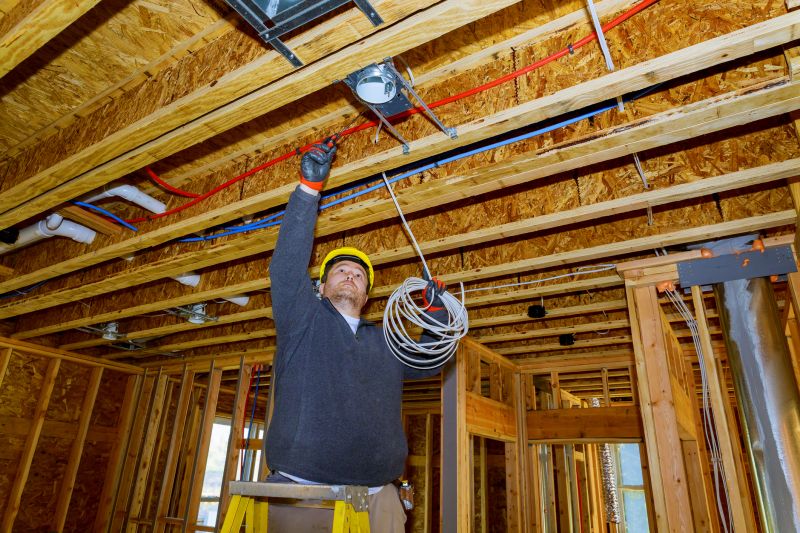
Before comparing local contractors for electrical wiring installation, clearly describe your project scope and verify their experience in writing.
- Verify that the scope of electrical wiring installation is clearly defined in the project plan. - Ensure that the service providers understand the specific areas and systems to be wired.
- Check that the contractors have experience with similar wiring projects in residential or commercial settings. - Look for evidence of past work that matches the complexity of the current project.
- Confirm that the proposed wiring methods comply with relevant electrical codes and standards. - Service providers should adhere to local regulations to ensure safety and compliance.
- Discuss and document the materials and wiring components to be used in the installation. - Clear documentation helps set expectations and avoid misunderstandings.
- Ensure that the scope of work includes plans for future upgrades or modifications if needed. - Consider how wiring will accommodate potential future changes or expansions.
- Request detailed written estimates that outline the work to be performed and the materials involved. - Written documentation helps compare contractors and define project expectations clearly.
Use this to compare local contractors, clarify scope, verify experience, and set clear expectations.
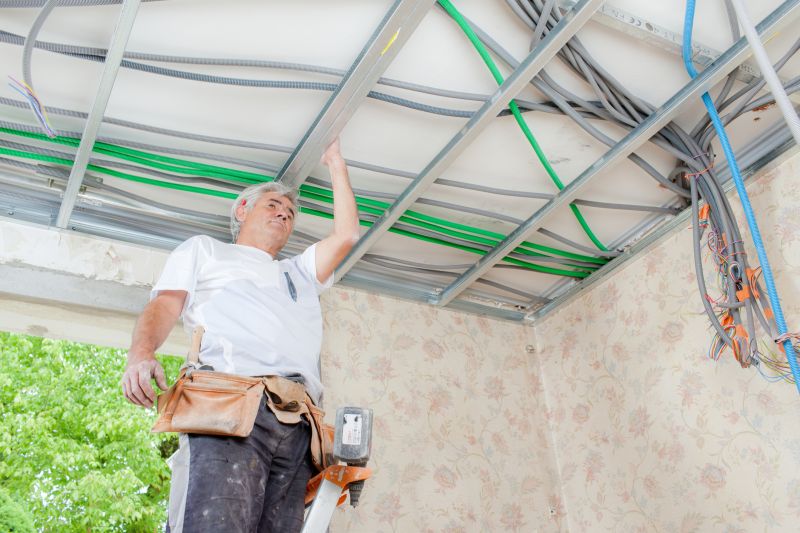
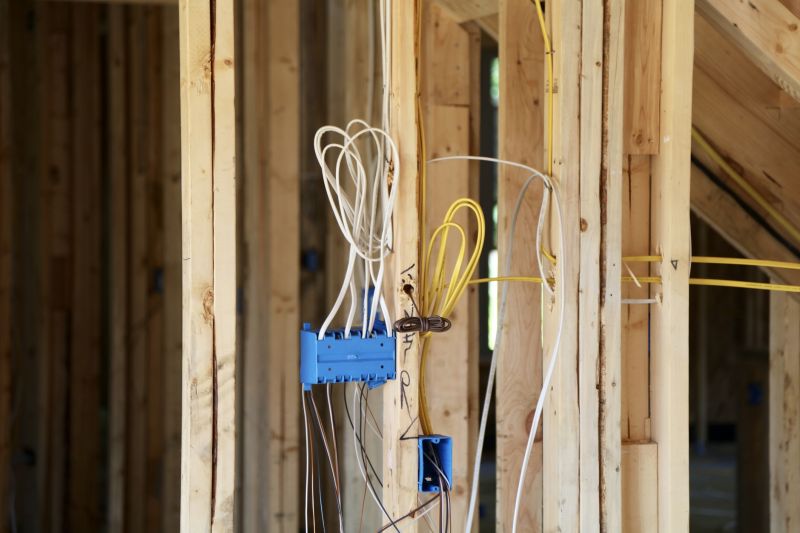

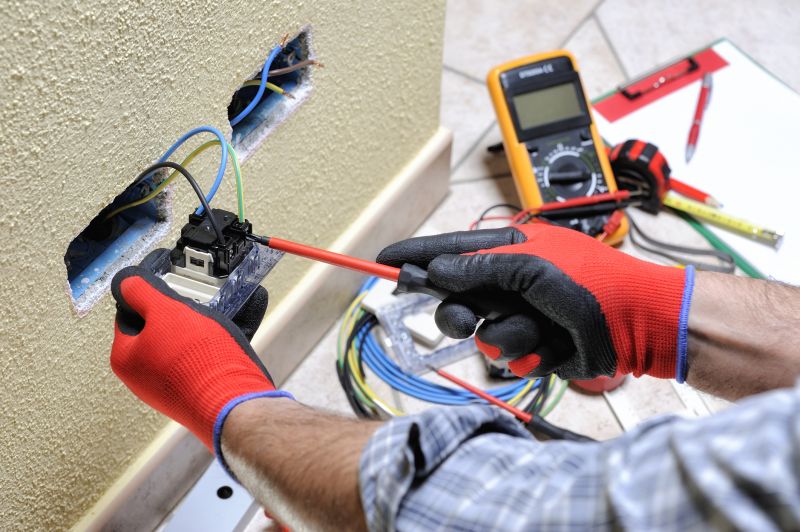
Use clear, consistent comparisons of scope, experience, and written expectations across local contractors to ensure reliable electrical wiring installation.
- Project Scope - Clearly define the specific electrical wiring tasks and areas to be covered in the installation.
- Experience Verification - Confirm that local contractors have relevant experience with similar wiring projects and building types.
- Material Specifications - Specify the types and quality of wiring materials and components to be used in the installation.
- Work Standards - Establish expectations for adherence to electrical codes, safety protocols, and quality benchmarks.
- Written Agreement - Ensure all project details, responsibilities, and expectations are documented in a comprehensive work agreement.
When evaluating contractors for electrical wiring installation, it’s essential to consider their experience with projects similar in scope and complexity. Homeowners should inquire about the types of wiring jobs the service providers have completed, such as new construction, renovations, or specific systems like smart home integrations. Contractors with a history of handling comparable projects are often better equipped to anticipate challenges and deliver results that meet the specific needs of the home. Gathering details about their past work can help ensure that the chosen service providers have the relevant background and expertise to handle the installation effectively.
A clear and comprehensive written scope of work is a critical factor when comparing electrical wiring contractors. This document should outline the specific tasks involved, the materials to be used, and the expected outcomes. A well-defined scope helps prevent misunderstandings and provides a basis for evaluating whether the contractor’s approach aligns with the homeowner’s expectations. When reviewing proposals or estimates, homeowners should look for detailed descriptions of the work to ensure there are no ambiguities or assumptions that could lead to issues later in the project.
Verification basics are fundamental in assessing the reliability of local service providers. Homeowners should verify that the contractors have appropriate experience and a track record of successful projects. Asking for references or examples of completed work can provide insights into the quality and consistency of the contractor’s performance. Additionally, confirming that the service providers adhere to industry standards and safety protocols-though not explicitly discussed here-can be part of the verification process. This step helps build confidence that the chosen professionals are capable of executing the wiring installation properly and responsibly.
When comparing options, it’s important to evaluate how well each contractor’s approach aligns with the project’s needs without focusing on pricing. Homeowners should consider the clarity of the scope, the contractor’s experience with similar projects, and the thoroughness of their communication. Asking service providers to put their proposals in writing allows for a side-by-side comparison of their understanding of the work and their level of professionalism. This process helps ensure that expectations are clearly established upfront, reducing the likelihood of surprises or misunderstandings as the project progresses.
Ask contractors to provide written scope details to ensure clear expectations and consistent project understanding.
- **Experience and Qualifications** - What experience do local contractors have with electrical wiring installation in similar projects?
- **Scope of Work** - How will contractors define and document the specific scope and expectations for the wiring installation?
- **Comparison of Services** - What services and methods do different local service providers use for electrical wiring installation?
- **Project Approach** - How do contractors plan to approach the wiring installation to meet safety and code requirements?
- **Communication and Clarifications** - How will contractors clarify project details and ensure mutual understanding before starting work?
How can I compare electrical wiring installation contractors? It’s helpful to review their experience, verify references, and assess their portfolio of previous work to ensure they meet project needs.
What should I consider when defining the scope of wiring installation? Clearly outline the areas to be wired, types of wiring needed, and any special requirements to help contractors provide accurate proposals.
How do I verify a contractor’s experience with electrical wiring projects? Ask for details about their past projects, including types of installations completed and the complexity of work they have handled.
Why is it important to have the project scope in writing? Having a detailed written scope helps prevent misunderstandings and sets clear expectations for the work to be performed.
What questions should I ask potential electrical wiring contractors? Inquire about their experience, approach to safety, methods for handling unexpected issues, and how they communicate project details.
How can I ensure a contractor understands my wiring installation needs? Provide a detailed description of your project, ask for their input, and confirm that all aspects are included in the written scope before work begins.
Understanding the key steps involved in electrical wiring installation can help ensure a smooth project. Visitors learned how to define the scope of work clearly, verify the experience of potential service providers, and set expectations in writing to facilitate effective communication. Comparing local contractors allows for a better understanding of options and helps identify the best match for specific project needs.
Using the provided quote form makes it simple to connect with local service providers who can handle electrical wiring installation. This approach supports informed decision-making by enabling comparisons among nearby contractors, ensuring that the chosen professionals meet the desired scope and expectations.