
Compare Local Contractors for Energy Assessment Services
Compare local contractors for energy assessments to define scope, verify experience, and set clear expectations in writing for a confident, informed decision.
Energy assessment services provided by contractors typically involve evaluating a property's current energy use, identifying areas where energy efficiency can be improved, and recommending specific upgrades or modifications. These assessments often include analyzing insulation, HVAC systems, windows, and air sealing to determine how well a property retains heat or cool air. The goal is to pinpoint opportunities for reducing energy consumption, which can lead to long-term savings and enhanced comfort within the property.
Defining the scope of an energy assessment is a critical step that influences the effectiveness of the service. A clear scope ensures that both property owners and contractors are aligned on what will be examined and what recommendations will be provided. For example, some assessments may focus solely on insulation and air sealing, while others might include HVAC system evaluations or detailed energy modeling. Establishing these boundaries upfront helps set realistic expectations and ensures that the work addresses the specific concerns or goals of the property owner.
When comparing local contractors for energy assessment services, property owners should consider their experience and expertise in conducting such evaluations. Verifying that contractors have a solid track record with similar properties can provide confidence in their ability to deliver thorough assessments. It’s also helpful to review how contractors define the scope of their services and whether they provide detailed, written reports outlining findings and recommendations. By examining these aspects, property owners can make informed decisions and select service providers who align with their needs and expectations.
Compare local contractors by outlining your priorities, verifying experience, and clearly defining your project scope in writing.
- Compare Contractors - review multiple local service providers to find the best fit for your energy assessment needs.
- Define Scope Clearly - establish detailed project requirements to ensure all parties understand the work involved.
- Verify Experience - assess the background and expertise of local contractors to select qualified service providers.
- Set Expectations in Writing - document project scope and responsibilities to promote transparency and accountability.

Clearly define your project scope and compare local contractors' experience to ensure accurate service matching.
- Verify the experience and background of local contractors performing energy assessments. - Ensure service providers clearly define the scope of the assessment and the methods they will use.
- Compare the services offered by different local contractors to identify those that meet specific assessment needs. - Confirm that contractors provide detailed descriptions of their evaluation process and deliverables.
- Check that the assessment procedures align with industry standards and best practices. - Look for service providers who can explain their approach and the types of data they will collect.
- Request written documentation of the assessment scope, procedures, and expected outcomes for clarity and reference. - Make sure all expectations and deliverables are outlined in a formal agreement or proposal.
- Assess the communication skills and professionalism of local contractors during initial consultations. - Choose providers who are transparent and responsive in discussing their assessment process and capabilities.
Use an energy assessment to compare local contractors, clarify scope, verify experience, and set clear expectations.

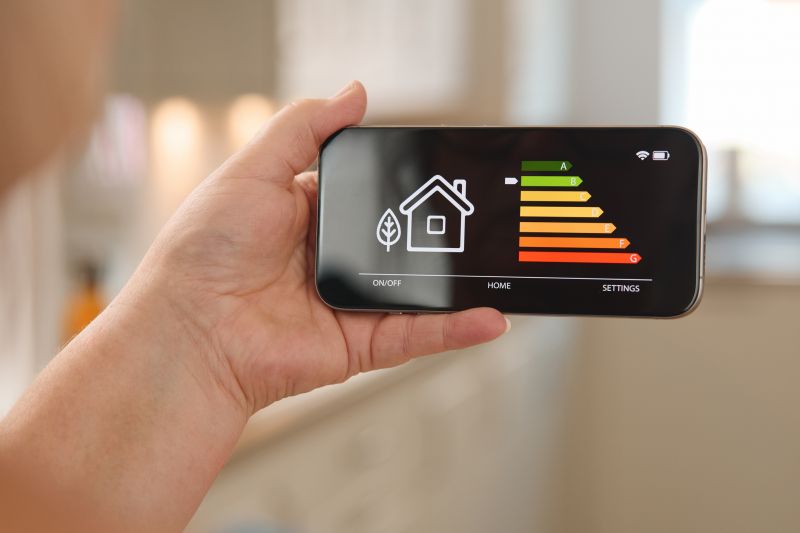


Use consistent comparison criteria to evaluate local contractors' scope, experience, and written expectations for energy assessments.
- Define the scope of the energy assessment service to specify the areas and systems to be evaluated.
- Identify the experience and qualifications of local contractors to ensure they have relevant expertise in energy assessments.
- Establish clear deliverables and expected outcomes in writing to set accurate project expectations.
- Compare the services offered by different local providers to determine which best aligns with the assessment needs.
- Verify that the scope includes all necessary components for a comprehensive energy evaluation to ensure thorough coverage.
When comparing contractors for Energy Assessment Services, it is important to consider their experience with similar projects. Homeowners should inquire about the types of properties and systems the contractors have worked on, ensuring they have a track record of handling assessments comparable to the specific needs of the home. Contractors with relevant experience are more likely to understand the nuances of different building types and can provide insights tailored to the home's unique characteristics, leading to more accurate and useful assessments.
A clear, written scope of work is essential when evaluating service providers. Homeowners should seek detailed descriptions of what the assessment will include, outlining the specific steps, methods, and deliverables involved. A well-defined scope helps set expectations, reduces misunderstandings, and ensures that both parties are aligned on the services to be provided. Avoiding vague language and requesting clarification on any ambiguous points can lead to a smoother process and a more comprehensive evaluation.
Understanding the basics of verification is key to assessing the credibility of potential contractors. Homeowners should ask how the contractor plans to verify the accuracy of the assessment, such as through on-site inspections, data collection, or analysis methods. Knowing the verification process helps determine whether the service provider employs thorough and reliable techniques, which can influence the quality of the assessment results. Clear communication about verification practices also demonstrates the contractor’s commitment to delivering trustworthy information.
When evaluating options, it is helpful to compare the approaches and descriptions provided by different service providers. Homeowners should look for consistency in the scope of work, ask questions to clarify any differences, and ensure that the proposed methods align with the home’s specific circumstances. Focusing on the level of detail, transparency, and thoroughness in the contractors’ explanations can aid in making an informed choice. Remember, this process is about finding qualified local contractors capable of delivering the assessment that best fits the home’s needs.
Ask contractors to provide written descriptions of the scope and expectations to ensure clarity and consistency.
- **Experience Verification** - How can you verify the experience and expertise of local contractors offering energy assessment services?
- **Scope Definition** - What questions should be asked to clearly define the scope and deliverables of the energy assessment?
- **Comparison Criteria** - What factors should be compared among different service providers to evaluate their suitability?
- **Service Offerings** - How do the services and methods of local contractors differ when performing energy assessments?
- **Written Agreements** - Why is it important to have scope and expectations outlined in a written agreement with service providers?
What should I consider when choosing a contractor for an energy assessment? It's important to compare local contractors based on their experience, services offered, and reputation. Defining the scope of work clearly can help ensure expectations are aligned and the project runs smoothly.
How can I verify a contractor’s experience with energy assessments? Ask contractors about their previous projects and request references or examples of similar work to assess their familiarity with energy assessment services.
What questions should I ask a contractor before hiring? Inquire about their process, what’s included in the assessment, how they communicate findings, and how they handle any follow-up work or recommendations.
Why is it important to have a written scope of work? A written scope helps set clear expectations, prevents misunderstandings, and provides a record of what services will be provided during the energy assessment.
How do I compare different service providers effectively? Review their experience, scope of services, reputation, and how they communicate. Gathering multiple quotes and clarifying the scope can aid in making an informed choice.
What should I expect during the energy assessment process? Service providers typically evaluate your property, identify areas of energy loss, and provide recommendations. Clarifying what’s included helps ensure the assessment meets your needs.
By exploring the information provided, visitors can better understand how to identify qualified contractors for energy assessment services, define the scope of work, verify experience, and establish clear expectations in writing. This approach helps ensure that the process of selecting a service provider is informed and tailored to individual needs. Using the quote form allows users to compare options available in their area, making it easier to connect with trusted local contractors who can handle the job effectively.
Taking a few moments to complete the quote form enables visitors to access a range of local service providers specializing in energy assessments. This step supports making well-informed decisions by reviewing different options and verifying each contractor’s experience and scope of work. Connecting with reputable local contractors through this process can help ensure the project is managed according to expectations and requirements.