
Compare Local Contractors for Home Automation Installation Success
Compare local contractors to define project scope, verify experience, and set clear expectations for seamless home automation installation.
Home automation installation services typically encompass a range of tasks aimed at integrating smart devices and systems within a residence. This includes setting up centralized control panels, wiring for smart lighting, thermostats, security cameras, and audio-visual equipment. Contractors may also assist with configuring wireless networks, installing sensors, and ensuring that various components work seamlessly together to create a cohesive smart home experience. Understanding the scope of work involved helps property owners clarify what is included and ensure that all desired systems are addressed during the project.
Defining the scope of a home automation installation is a crucial step in working with local contractors. Clear communication about the specific devices, features, and integrations desired can prevent misunderstandings and help set realistic expectations. Property owners should outline their goals and preferred outcomes, and request detailed written descriptions of what the contractor will deliver. This documentation serves as a reference point throughout the project, providing clarity and helping to avoid scope creep or unmet expectations.
When comparing local contractors for home automation installation, it’s important to consider their experience with similar projects and their ability to provide comprehensive solutions. Property owners can review credentials, ask for references, and inquire about the types of systems they have installed previously. It’s also beneficial to evaluate how clearly each contractor communicates their process and scope, and whether they are willing to put agreements in writing. Comparing these factors can help property owners find service providers who are capable of delivering quality work aligned with their specific automation needs.
Compare local contractors by outlining your priorities, verifying experience, and clearly defining project expectations in writing.
- Compare Contractors - review multiple local service providers to evaluate their experience and service offerings for home automation installation.
- Define Project Scope - clearly outline the specific automation features and systems to ensure all parties understand the work involved.
- Verify Experience - assess the background and past projects of local contractors to confirm their familiarity with home automation systems.
- Set Expectations in Writing - document the scope, responsibilities, and deliverables to establish a clear agreement with chosen service providers.
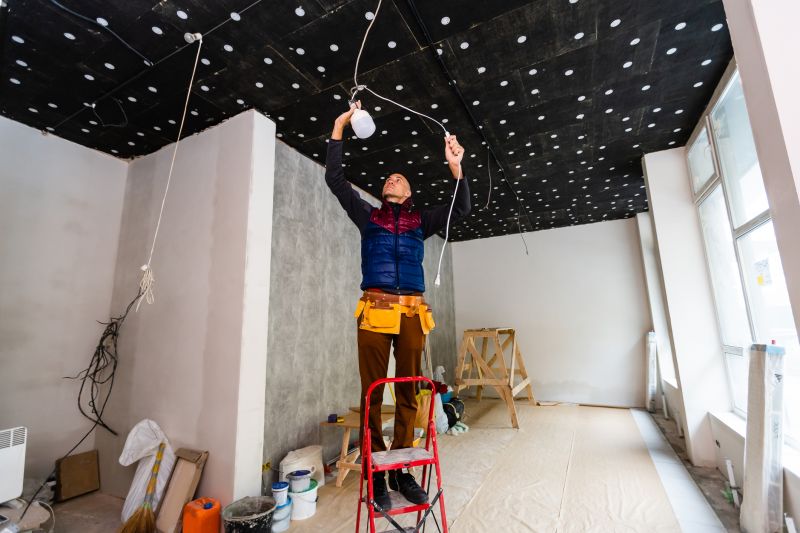
Clearly describe your home automation project to help local contractors understand your needs and compare their expertise effectively.
- Verify experience and expertise in home automation installation to ensure familiarity with the specific systems involved. - Look for local contractors who have a proven track record with similar automation projects.
- Define the scope of work clearly in writing to set expectations and prevent misunderstandings during installation. - Ensure the project details, including devices and integrations, are documented thoroughly.
- Check for references or reviews from previous clients to assess the quality of the service provider’s work. - Contact past customers to gain insight into their experience with the contractor.
- Confirm that the contractor understands the electrical and network requirements for home automation systems. - Discuss the technical aspects to ensure compatibility and proper setup.
- Ensure all aspects of the installation process, including hardware placement and system configuration, are outlined in a detailed agreement. - Clarify responsibilities and deliverables before work begins.
Compare local contractors to clarify scope, verify experience, and set clear expectations in writing.
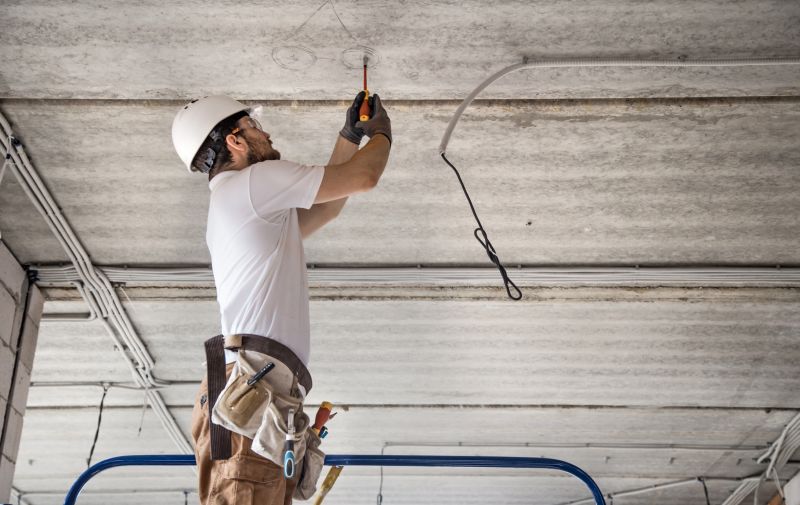

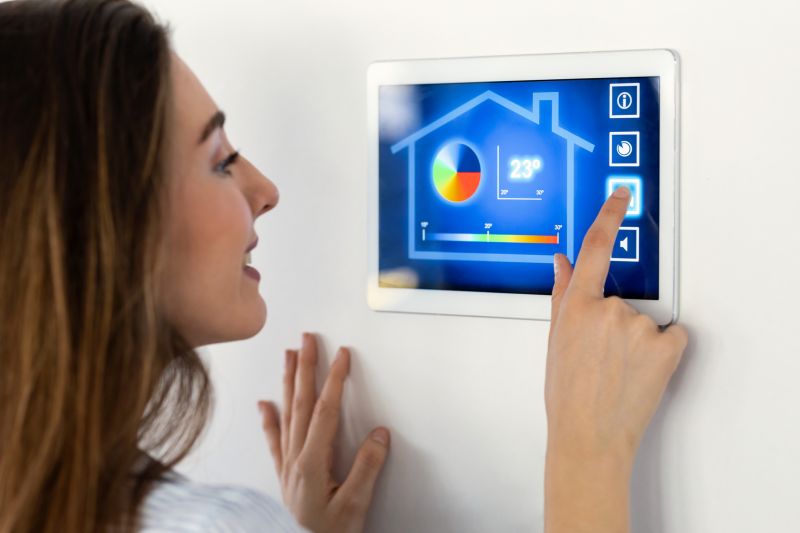
Use consistent comparison criteria across local contractors by clearly defining scope, verifying experience, and setting expectations in writing.
- Define the scope of automation features - specify which devices and systems the installation will cover to ensure clear project boundaries.
- Assess the experience of service providers - verify that local contractors have relevant experience with home automation installations similar to the project.
- Clarify installation requirements and processes - outline the steps involved and any special considerations to set accurate expectations.
- Determine compatibility of devices and systems - confirm that all components and technologies will work together seamlessly within the home environment.
- Establish documentation and communication protocols - ensure all project details, scope, and expectations are documented and clearly communicated in writing.
When evaluating contractors for home automation installation, it’s essential to consider their experience with projects similar to the scope at hand. Home automation systems can vary widely in complexity, from basic lighting controls to fully integrated smart home ecosystems. Service providers with a track record of completing comparable projects are more likely to understand the technical requirements, common challenges, and best practices. Asking about previous work that aligns with the specific features and scale of the desired system can help ensure the contractor has relevant hands-on experience.
A clearly written scope of work is a vital component in selecting a home automation contractor. This document should outline the specific tasks, system components, and desired functionalities. A detailed scope helps prevent misunderstandings and sets clear expectations for what the project will include. When comparing contractors, look for those who can articulate the project scope comprehensively and in plain language, providing written documentation that specifies what will be installed, configured, and tested. This clarity supports a smoother process and helps ensure all parties are aligned from the outset.
Verification of a contractor’s basic qualifications involves reviewing their approach to project planning and execution. It’s important to understand how they verify system compatibility, ensure integration with existing infrastructure, and confirm that the proposed setup meets the homeowner’s needs. Contractors should be able to describe their process for testing and quality assurance, ensuring the installed system functions as intended. Asking about their methods for verifying system components and integration points can provide insight into their thoroughness and attention to detail, which are key to a successful installation.
When comparing options, focus on how each service provider explains their approach and how well their proposed solutions align with the homeowner’s goals. It’s useful to evaluate the clarity of their communication, the level of detail in their scope, and their ability to answer questions about system capabilities and limitations. Avoid making decisions based solely on descriptions; instead, look for contractors who demonstrate a comprehensive understanding of home automation systems and can provide transparent, written information about their proposed work. This approach helps ensure the selected service provider can deliver a well-executed installation tailored to the home’s specific needs.
Ask contractors to provide written scope details to ensure clear expectations and consistent project understanding.
- Scope of Work - What specific tasks and systems are included in the home automation installation?
- Experience and Expertise - How can contractors demonstrate their experience with similar home automation projects?
- Comparison of Services - What differences exist between contractors’ offerings and approaches to installation?
- Project Expectations - How should the scope and responsibilities be clearly outlined and agreed upon in writing?
- Qualifications and References - What credentials or references can contractors provide to verify their ability to handle the job?
How can I compare contractors for home automation installation? Comparing local service providers involves reviewing their experience, checking references, and understanding the scope of services they offer to ensure they meet specific project needs.
What should I consider when defining the scope of my automation project? Clearly outlining the devices, systems, and functionalities you want to include helps contractors provide accurate proposals and ensures all expectations are documented upfront.
How do I verify the experience of a home automation contractor? Ask about their past projects, request references, and review any available portfolios to assess their familiarity with the specific automation technologies you want installed.
Why is it important to have a written agreement with a contractor? A written contract clarifies the scope of work, responsibilities, and expectations, helping to prevent misunderstandings and ensuring both parties are aligned.
What questions should I ask a contractor before hiring for automation installation? Inquire about their experience with similar projects, the methods they use, and how they handle unexpected issues to gauge their expertise and reliability.
How can I ensure the contractor understands my automation goals? Communicate your desired functionalities clearly and ask the contractor to confirm their understanding and proposed approach in writing before work begins.
Home automation installation involves selecting the right contractors who can meet your specific needs. By understanding how to compare local service providers, define the scope of work, verify their experience, and establish clear expectations in writing, you can make informed decisions. This approach helps ensure the project aligns with your goals and provides clarity throughout the process.
Using the quote form allows you to easily connect with trusted local contractors who specialize in home automation. It’s a practical way to explore your options and find service providers equipped to handle the job. Taking this step can help you gather information and make confident choices about your home automation needs.