
Compare Local Contractors for Your Home Electrical Installation Needs
Compare local contractors to define project scope, verify experience, and set clear expectations for a safe, reliable home electrical installation.
Home electrical installation services typically encompass a range of tasks related to wiring, outlets, switches, lighting fixtures, and circuit panels within residential properties. These projects often involve installing new electrical systems during construction or renovation, upgrading existing wiring to meet modern standards, and ensuring that all components are properly connected and functioning safely. Proper electrical installation is essential for supporting everyday appliances, lighting, and electronic devices, making it a critical aspect of maintaining a functional and comfortable home environment.
Defining the scope of work is an important step in any electrical installation project. Clearly outlining the specific tasks, areas to be worked on, and desired outcomes helps ensure that both property owners and service providers have aligned expectations. A well-defined scope can prevent misunderstandings, reduce the risk of overlooked details, and serve as a reference point throughout the project. When property owners communicate their needs in writing, it provides clarity and helps contractors deliver services that meet those requirements effectively.
Property owners can compare local contractors by evaluating their experience, expertise, and the scope of services offered. It’s beneficial to review the types of projects each contractor has completed and ask for examples or references if available. Additionally, verifying that service providers understand the specific electrical needs of the property and emphasizing the importance of a detailed written agreement can contribute to a smoother project. By assessing how each contractor approaches scope definition, communication, and project planning, property owners can make informed decisions when choosing a service provider for home electrical installation work.
Compare local contractors by outlining your project priorities, verifying experience, and setting clear expectations in writing.
- Compare Contractor Credentials - Review experience and qualifications to ensure they meet project requirements.
- Define Project Scope Clearly - Outline specific electrical installation needs to align expectations.
- Verify Experience and Past Work - Assess previous projects to gauge expertise in residential electrical work.
- Document Agreements in Writing - Keep detailed records of scope, responsibilities, and expectations for clarity.
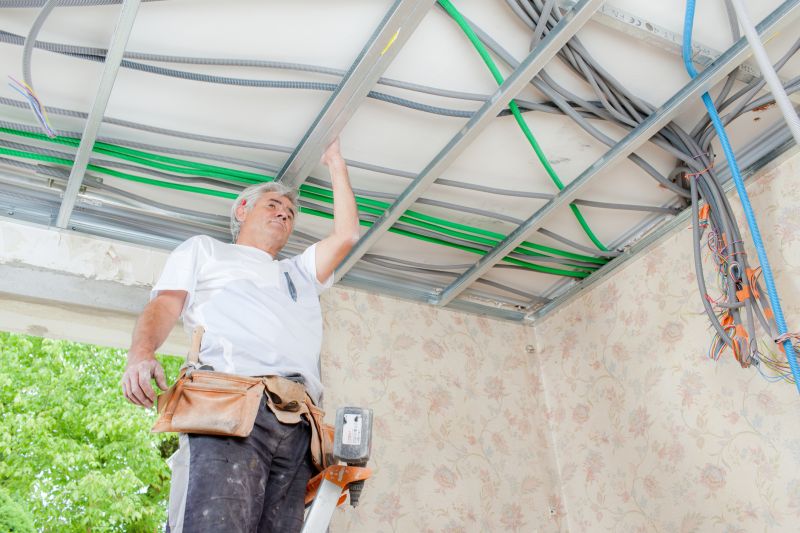
Clearly describe your electrical project and compare local contractors based on experience, scope definition, and written expectations.
- Verify the contractor’s experience with residential electrical installations to ensure familiarity with similar projects. - Consider how well the service providers understand local electrical codes and standards.
- Define the scope of work clearly and in writing to avoid misunderstandings during the project. - Ensure that all tasks, materials, and responsibilities are outlined explicitly in the agreement.
- Check that the contractors have appropriate insurance coverage to protect against potential damages or accidents. - Confirm that the service providers can provide proof of liability insurance upon request.
- Assess the contractor’s reputation and reviews from previous clients to gauge reliability and quality of work. - Look for consistent positive feedback related to electrical safety and professionalism.
- Ensure the scope includes details about wiring, outlets, switches, and any additional electrical components to be installed or upgraded. - Clarify whether the project covers both existing wiring updates and new installations.
- Compare multiple local contractors to evaluate their experience, scope offerings, and communication style before making a selection. - Focus on how well each service provider understands the project requirements and sets expectations in writing.
Use this to compare local contractors, clarify project scope, verify experience, and set clear expectations in writing.
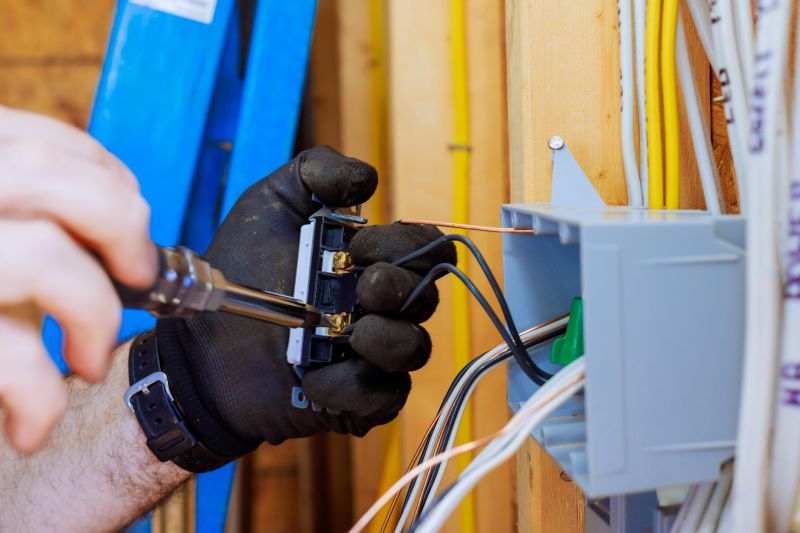
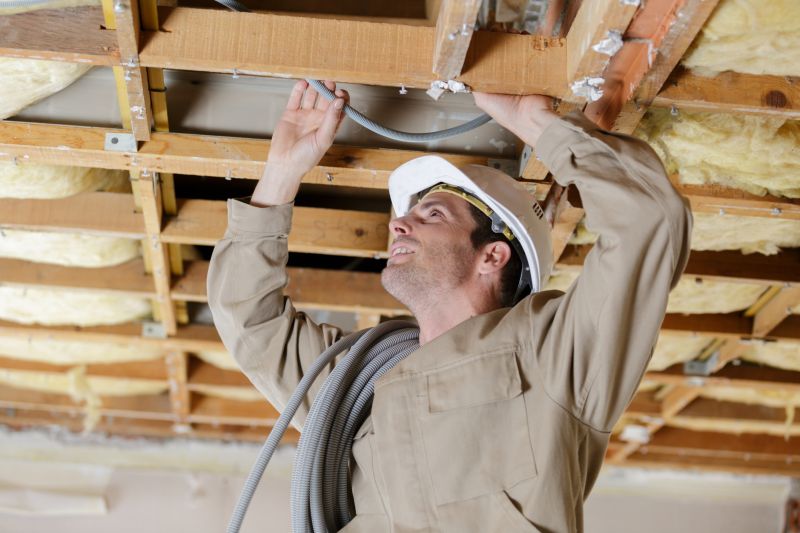
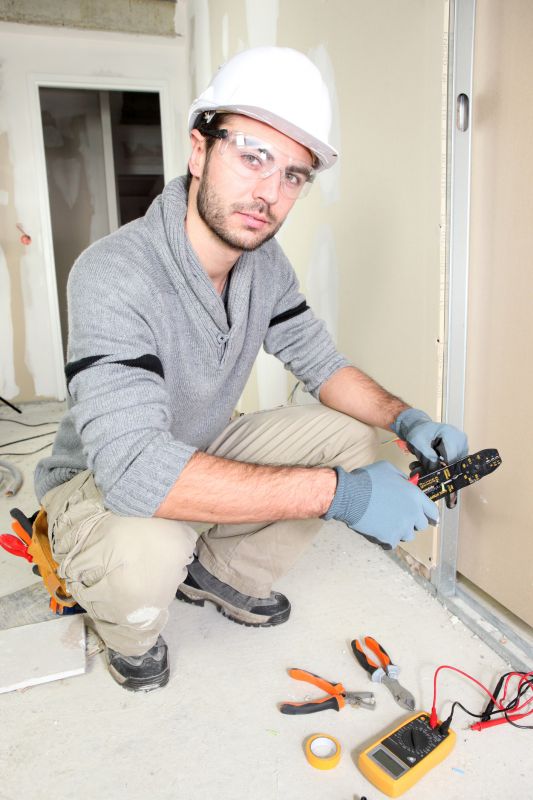
Use consistent scope definitions and experience verification to effectively compare local contractors for home electrical installation.
- Scope Definition - Clearly outline the specific electrical installation tasks required for the home project.
- Experience Verification - Confirm that local contractors have relevant experience with similar electrical installations.
- Material and Equipment Specifications - Specify the types and quality of materials and tools needed for the installation.
- Workplace Requirements - Identify any access, space, or safety considerations that contractors need to accommodate.
- Documentation and Expectations - Ensure all project details, responsibilities, and deliverables are documented in writing.
When evaluating contractors for home electrical installation, it is important to consider their experience with similar projects. Homeowners should inquire about the types of electrical work the service providers have completed in the past, ensuring they have handled projects comparable in scope and complexity. A contractor's familiarity with residential electrical systems, code requirements, and specific installation needs can influence the quality and reliability of the work. Gathering information about their previous work helps to gauge whether they have the relevant background to meet the specific demands of the project.
A clear, written scope of work is essential for setting expectations and avoiding misunderstandings. Homeowners should seek service providers who can provide detailed descriptions of the tasks involved, including the materials to be used, the steps to be taken, and the overall objectives of the installation. Having a well-defined scope in writing ensures that both parties share a common understanding of what the project entails, which can facilitate smoother communication and reduce the risk of scope creep or unforeseen issues.
Verification basics involve confirming that a contractor’s experience aligns with the project requirements and that their work process is transparent. Homeowners can ask for references or examples of completed projects similar to theirs, and verify that the service providers are willing to share this information. Additionally, understanding how the contractor plans to verify the quality of the installation-such as through inspections or testing-can help ensure the work meets safety and performance standards. This due diligence supports informed decision-making and helps identify service providers committed to thorough, professional work.
When comparing options, it is helpful to evaluate how each contractor approaches the project scope, communication, and verification processes. Homeowners should pay attention to how clearly service providers outline their work, how well they understand the project’s specific needs, and whether they demonstrate a methodical approach to quality assurance. Focusing on these aspects can help identify service providers who are thorough, transparent, and aligned with the homeowner’s expectations. This approach ensures that the selection process remains objective and centered on finding a qualified partner for the electrical installation.
Ask contractors to provide written scope details to ensure clear expectations and consistent project understanding.
- Experience and Qualifications - How do local contractors demonstrate their experience with home electrical installations?
- Scope of Work - What specific tasks and responsibilities are included in the proposed electrical installation project?
- Project Expectations - How do contractors define the project scope and deliverables in writing to ensure clarity?
- Comparison Criteria - What factors should be used to compare different local service providers beyond pricing?
- Work Approach - How do contractors plan to handle unforeseen issues or changes during the electrical installation process?
How can I compare electrical contractors for home installation projects? To compare local contractors, review their experience, scope of services, and credentials, and look for clear written estimates that outline the work to be performed.
What should I consider when defining the scope of my electrical installation? Clearly outline the specific tasks, areas involved, and desired outcomes to ensure contractors understand the project requirements and provide accurate proposals.
How do I verify the experience of a home electrical contractor? Ask for details about their past projects, years of experience, and examples of similar installations to assess their familiarity with the work needed.
Why is it important to get work expectations in writing? Having a detailed written agreement helps prevent misunderstandings, sets clear responsibilities, and provides a reference for the scope of work and deliverables.
What questions should I ask potential electrical contractors before hiring? Inquire about their experience with similar projects, the materials they plan to use, and how they handle unexpected issues or changes during installation.
How can I ensure a contractor's work aligns with my project goals? Review their proposals carefully, ask for detailed descriptions of the work, and verify that all aspects of the project are documented before proceeding.
This page has provided an overview of how to find and evaluate contractors for home electrical installation projects. Visitors have learned the importance of defining the scope of work clearly, verifying the experience of potential service providers, and setting expectations in writing to ensure a smooth process. Comparing multiple local contractors can help identify options that best align with specific project needs and preferences.
To proceed, use the quote form to explore and compare different local service providers who can handle the electrical installation work. Gathering information through this process can help in making informed decisions by understanding the available options and selecting the right contractor for the job.